Lahore and Punjab Air Pollution: Why Winter Smog Persists and What Could Change It
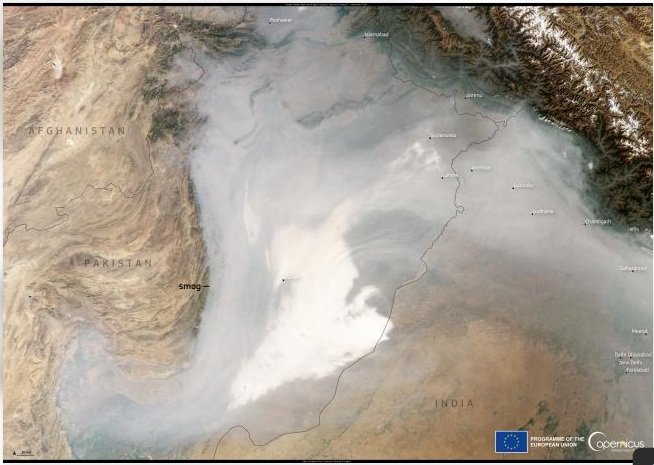
Lahore Air Pollution Report 2026: Smog & PM2.5

Lahore Air Pollution Report 2026: Smog & PM2.5
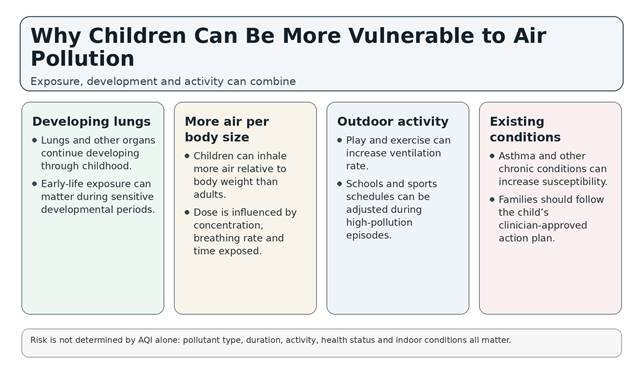
Children are particularly vulnerable to air pollution because their lungs and other body systems are still developing, they breathe more air relative to their body size than adults, and they often spend more time being physically active outdoors. This guide explains how pollutants such as PM2.5, ozone and nitrogen dioxide can affect children, why exposure … Read more
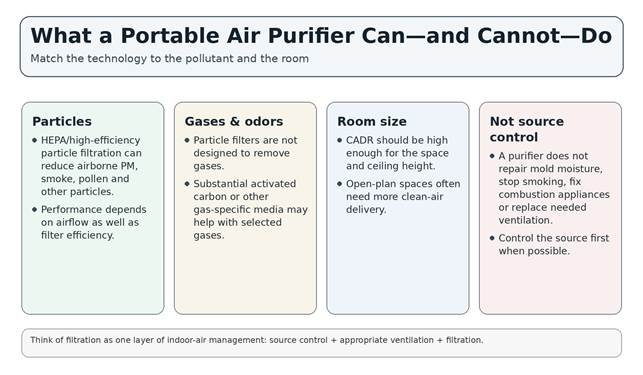
A good air purifier can substantially reduce airborne particles in a room—but only when the filtration technology, CADR, room size, placement and operating conditions are appropriate for the problem being addressed. This guide explains what air purifiers can and cannot remove, how HEPA filtration and CADR relate to real-world performance, why room volume and runtime … Read more
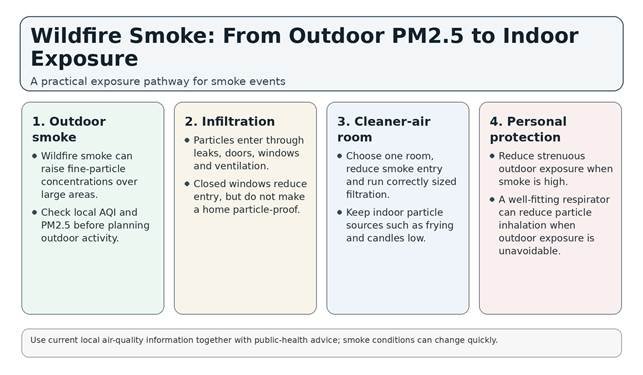
Wildfire smoke can travel hundreds or even thousands of kilometres, affecting air quality far beyond the fire itself. Much of the health concern comes from fine particulate matter (PM2.5), which can penetrate deep into the lungs and make outdoor—and sometimes indoor—air unhealthy. This guide explains how wildfire smoke affects AQI, who may be most vulnerable, … Read more
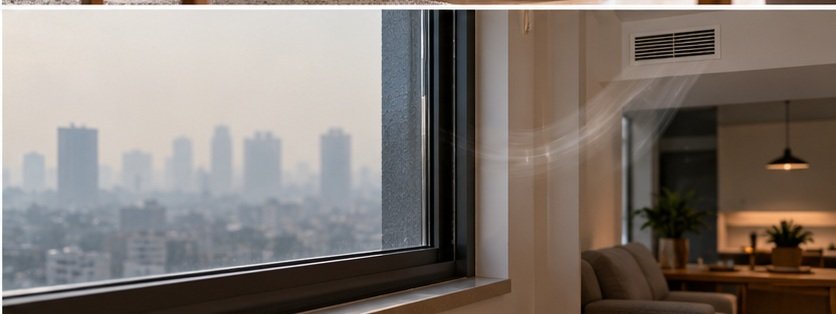
Outdoor air pollution does not always stay outdoors. Fine particulate matter, especially PM2.5, can enter homes through open doors and windows, ventilation systems and small gaps in the building, meaning indoor air quality can sometimes be strongly influenced by conditions outside. How much pollution gets indoors depends on factors such as the building, ventilation, filtration, … Read more
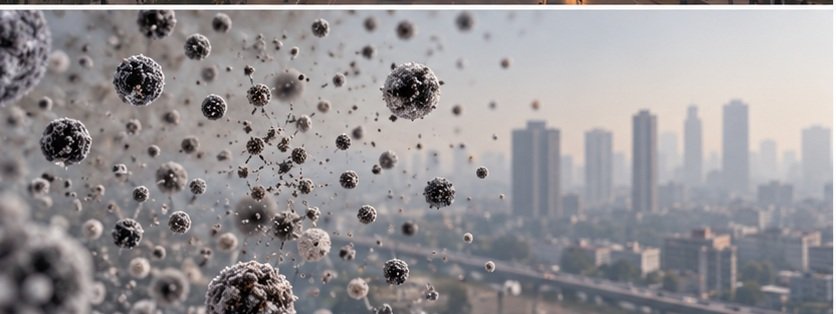
PM2.5 is one of the most important air pollutants for understanding both air quality and health. These microscopic particles are 2.5 micrometres or smaller in diameter—small enough to travel deep into the lungs, with some components able to enter the bloodstream. PM2.5 can come directly from sources such as vehicle exhaust, industry, fuel and biomass … Read more
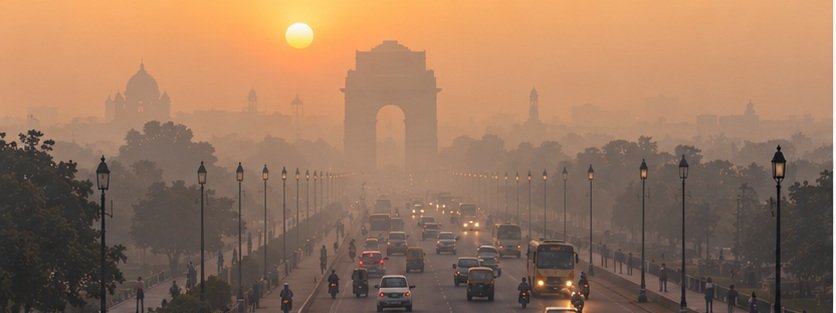
Every winter, Delhi and the surrounding National Capital Region experience some of the world’s most severe episodes of air pollution. Fine particle pollution can rise dramatically as emissions from traffic, industry, construction, household fuel use, waste burning and seasonal agricultural fires combine with cold, calm weather that traps pollution close to the ground. But Delhi’s … Read more