
Updated October 2026: This article has been expanded with current technical guidance, clearer limitations, additional examples and new practical visuals while retaining its original URL and core reader flow.
We spend a lot of time indoors, so it is important that the air we breathe is as clean as practical. An air purifier can help reduce airborne particles, but placement affects how easily polluted room air reaches the intake and how effectively filtered air mixes back into the occupied space. There is no universal rule that every purifier belongs on a table, on the floor or in the centre of the room.
This 2026 update keeps the original question and familiar structure but adds clearer technical context, practical decision rules and links to AirQualityIndex.org’s current AQI and PM2.5 resources.
Where is the best place to put an air purifier?
Put the purifier in the room where clean-air delivery matters most and keep its intake and outlet clear. Follow the manufacturer’s clearance instructions because purifier designs differ: some draw air from the front, some from the rear or sides, and many use 360-degree intakes.
Room airflow is dynamic. People move, doors open, HVAC cycles and fans change circulation. Placement advice should therefore be treated as a starting point that can be checked with particle measurements when available.
Keep the intake and outlet unobstructed
Curtains, sofas, cabinets and tight corners can restrict airflow. A purifier wedged between furniture may have an excellent filter but process less room air effectively. Leave the recommended clearance and avoid directing the clean-air outlet immediately into a wall or curtain.
Should an air purifier be on the floor or a table?
Many full-size purifiers are designed for stable floor placement; compact units may be designed for a tabletop. Height alone does not determine cleaning speed. Use the position intended for the model and prioritize unobstructed circulation rather than a blanket rule.
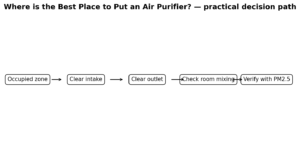
Figure 1. Original AirQualityIndex.org decision-path visual for this updated article.
Best air purifier placement in a bedroom
Place the purifier where it can exchange air with the sleeping zone without being buried behind a bedside table or curtain. Avoid an uncomfortable direct draft. A sufficiently large unit running at a quieter setting can be preferable to a small purifier next to the bed at maximum speed.
Best placement in a living room or open plan
In a large open space, place the purifier where it can circulate with the main occupied zone. L-shaped rooms, partitions and large furniture can create stagnant areas. Two units can sometimes improve distribution, even when their combined CADR is similar to one larger machine.
Should you put the purifier near a pollution source?
It depends on the source. For cooking, use a vented range hood first and use the purifier as supplementary particle control. During wildfire smoke, focus on the cleaner-air room and avoid placing the purifier beside an open window that continuously introduces smoke.
Windows, doors and HVAC vents
Opening windows during high outdoor PM2.5 can overwhelm filtration, while ventilation with clean outdoor air can be valuable for indoor-generated gases. HVAC supply and return flows affect mixing. Avoid positions where a strong supply jet prevents the purifier from drawing representative room air.
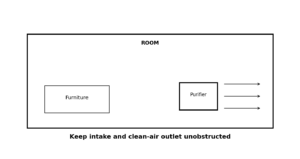
Figure 2. Original AirQualityIndex.org technical visual for this updated article.
How to test whether the position is working
Use an independent PM2.5 monitor away from the purifier outlet. Under similar starting conditions, run the purifier at the same speed in two positions and compare the particle decline. This simple test is more useful than relying on generic placement advice.
Common placement mistakes
Do not hide the unit for appearance, block a 360-degree intake, place it where children or pets can easily tip it, or assume that one purifier in a hallway will clean several closed bedrooms. The purifier must have access to the air in the space you want to clean.
Placement during wildfire smoke or severe smog
When outdoor particle pollution is severe, prioritize the room where people spend the most time and keep avoidable smoke entry low. The purifier should have enough space around its intake and outlet to circulate the cleaner air through that room. Moving it directly beside a leaky window is not automatically beneficial because the unit may spend much of its capacity treating a concentrated incoming plume.
Should you move one purifier between rooms?
You can, but remember that filtration stops in the room you leave. If the household spends the evening in the living room and sleeps in a bedroom, moving one unit can be practical. For persistent high pollution or several occupied rooms, separate appropriately sized units may provide more consistent protection.
Placement and noise
A purifier close to the bed or desk may sound louder and create a stronger draft. A slightly more distant position with clear airflow can be more comfortable while still serving the occupied zone. Do not trade away intake clearance just to make the unit visually unobtrusive.
2026 Technical Upgrade: What Readers Should Know
Placement affects how much room air actually reaches the filter. A technically capable purifier can underperform when pushed tightly against furniture, hidden behind curtains or placed where the outlet immediately recirculates into the intake. Keep manufacturer-required clearances around intakes and outlets and favor an open location in the room being treated. In bedrooms, a position that allows clean air to mix through the breathing zone without creating an uncomfortable draft is usually preferable to a remote hallway. For cooking particles, wildfire smoke or a temporary pollution episode, move the purifier to the room where people spend the most time. A single portable unit should not be assumed to clean multiple closed rooms simply because the total floor area is within a marketing room-size claim.
Practical decision checklist
- Keep intake and outlet unobstructed
- Avoid curtains, furniture and tight corners
- Place near the occupied zone when practical
- One purifier cannot efficiently clean separated rooms
Use the article guidance together with current outdoor AQI, the pollutant of concern, room size and the equipment manufacturer’s instructions. Source control and appropriate ventilation remain important; filtration is one part of indoor-air management.
Frequently asked questions
Can I put a purifier in a corner?
Only if the design and manufacturer clearances allow adequate intake and discharge. Tight corners can restrict airflow or cause clean air to recirculate locally instead of mixing through the room.
Should it be near a window?
Not automatically. During high outdoor PM2.5, a leaky window can be an infiltration source, so nearby placement may intercept some particles, but the unit still needs open airflow. During clean outdoor conditions, ventilation may be more useful than simply moving the purifier.
Is the bedroom floor acceptable?
Many floor-standing models are designed for floor placement. Keep bedding, curtains and furniture away from the intake and outlet. Tabletop units should be used according to their instructions.
Can one purifier clean the whole house?
A portable purifier is generally a room or zone device. Closed doors and separated rooms limit mixing. Whole-home filtration is a different strategy involving the HVAC system and compatible filters.
Should it point at me?
It does not need to blow directly at a person. The goal is effective room mixing and repeated filtration without uncomfortable drafts or blocked airflow.
How outdoor AQI should change your indoor-air strategy
Outdoor air quality should influence how aggressively you use indoor filtration. When outdoor PM2.5 is low and weather conditions are suitable, ventilation can be an effective part of indoor-air management. When outdoor particle pollution rises, however, opening windows can increase indoor particle concentrations. Check the current AQI and, where available, the pollutant driving it rather than treating every AQI episode as the same problem. A particle purifier is most relevant when PM2.5, smoke, dust or other airborne particles are the concern; it is not a universal solution for gases, moisture, radon or carbon monoxide. During a high-PM episode, reduce avoidable particle entry, operate an appropriately sized purifier for longer periods and use a higher fan setting when tolerable. After outdoor conditions improve, ventilation may again become useful depending on indoor sources and weather.
Conclusion
The best placement is model-specific and room-specific. Keep airflow clear, prioritize the occupied zone, use source control first, and test particle reduction when possible. Correct placement cannot compensate for an undersized purifier, so pair this guide with the room-size and CADR guide.
References
- U.S. EPA — Guide to Air Cleaners in the Home — https://www.epa.gov/indoor-air-quality-iaq/guide-air-cleaners-home
- U.S. EPA — Air Cleaners and Air Filters in the Home — https://www.epa.gov/indoor-air-quality-iaq/air-cleaners-and-air-filters-home
- ENERGY STAR — Air Cleaners — https://www.energystar.gov/products/air_cleaners
- U.S. EPA — Ozone Generators that are Sold as Air Cleaners — https://www.epa.gov/indoor-air-quality-iaq/ozone-generators-are-sold-air-cleaners