
Updated October 2026: This article has been expanded with current technical guidance, clearer limitations, additional examples and new practical visuals while retaining its original URL and core reader flow.
Micro-organisms such as mold can grow indoors when moisture and suitable materials are present. Air purifiers are often discussed as a mold solution, but the role of filtration needs to be stated carefully: a particle purifier can capture some airborne spores, while active mold growth on building materials requires moisture control and cleanup.
This 2026 update keeps the original question and familiar structure but adds clearer technical context, practical decision rules and links to AirQualityIndex.org’s current AQI and PM2.5 resources.
Mold: What Is It and Why Is It a Concern?
Mold is a group of fungi that can grow on many indoor materials when moisture is available. Visible mold or a persistent musty smell can indicate leaks, condensation, flooding, poor drainage or high humidity. Mold can also damage building materials.
This distinction is important for health and building safety: filtration can reduce an airborne pathway, while moisture control and remediation address the source.
How Does Mold Grow?
Mold needs moisture. It can grow on paper, wood, fabrics, drywall and other materials when conditions remain damp. The most important prevention strategy is therefore controlling water and humidity rather than trying to filter spores after growth begins.
Can Air Purifiers Help With Mold?
A correctly sized particle purifier can capture some airborne mold spores that pass through its filter. It cannot remove colonies growing on walls, ceilings, carpets or inside building cavities. Filtration should be considered supplementary.
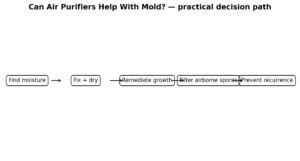
Figure 1. Original AirQualityIndex.org decision-path visual for this updated article.
Control humidity and moisture first
EPA emphasizes moisture control as the key to mold control. Indoor relative humidity should generally be kept below 60%, ideally around 30–50% where feasible. Repair leaks and dry wet materials promptly.
When a dehumidifier can help
A dehumidifier can help when high indoor humidity is part of the problem, especially in basements or humid climates. It does not repair a leak or remove contaminated materials, so diagnose the moisture source first.
What kind of purifier is useful for airborne spores?
Choose adequate particle CADR for the room, a well-sealed filter system and practical noise levels. A purifier that is too small will not compensate for ongoing spore generation from active mold.
What an air purifier cannot do
It cannot dry a wall cavity, repair plumbing, remove contaminated drywall or certify that a building is safe. Larger or complex mold problems may require professional assessment and remediation.
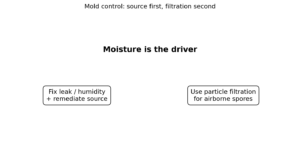
Figure 2. Original AirQualityIndex.org technical visual for this updated article.
Avoid ozone as a mold treatment
EPA advises against ozone generators sold as air cleaners in occupied spaces. Ozone is a respiratory irritant and should not be used as a substitute for moisture control and remediation.
How to prevent mold from returning
Control humidity, use bathroom/kitchen exhaust, address condensation, maintain drainage and inspect recurring damp areas. Once the source is controlled, filtration can reduce residual airborne particles.
How to tell whether filtration is the right next step
If you can see active mold or have recurring dampness, solve the moisture problem before shopping for a purifier. If the source has been remediated but airborne particles remain a concern, then particle filtration can be a sensible supplementary step. This ordering prevents the purifier from becoming a distraction from the building problem.
Bathrooms, kitchens and basements
Exhaust ventilation in bathrooms and kitchens helps remove moisture at the source. Basements may need drainage correction, dehumidification or foundation work. Different rooms therefore require different moisture controls even though the same HEPA purifier might be used for airborne particles.
Mold claims in purifier marketing
Be cautious with claims that a purifier will ‘kill all mold’ in a room. Capturing airborne spores is measurable particle control; eliminating active growth on materials is remediation. Technical reviews should keep those claims separate.
2026 Technical Upgrade: What Readers Should Know
An air purifier can reduce some airborne mold spores, but it cannot solve the water problem that allows mold to grow. EPA’s current guidance is explicit: portable air cleaners and HVAC filters do not address the cause of mold or musty odors. Find and correct leaks, condensation, flooding or chronic humidity, then clean or remediate affected material appropriately. Filtration can be useful as a supplementary measure because HEPA-class particle filtration can capture airborne spores that pass through the unit. Do not use an air purifier as a reason to delay moisture correction. If growth is extensive, repeatedly returns, follows major water damage or involves vulnerable occupants, professional assessment may be appropriate.
Practical decision checklist
- Find and stop the moisture source
- Remove or remediate contaminated material
- Control indoor humidity
- HEPA can reduce airborne spores but cannot stop growth
Use the article guidance together with current outdoor AQI, the pollutant of concern, room size and the equipment manufacturer’s instructions. Source control and appropriate ventilation remain important; filtration is one part of indoor-air management.
Frequently asked questions
Can HEPA kill mold?
HEPA filtration is about capturing airborne particles, including spores that reach the filter. It does not kill or remove mold colonies growing on damp building materials.
What humidity should I target?
Avoid persistently high humidity and follow building/health guidance appropriate to your climate. The key is preventing condensation and damp materials, not chasing a single number with filtration.
Will a purifier remove musty odor?
Some odor may be reduced with adequate gas-phase media, but a musty smell can signal an unresolved moisture or mold source. Find and correct the source.
Should I run a purifier during remediation?
Professional remediation practices may use containment and specialized filtration. For a household device, avoid disturbing mold without proper controls; follow qualified remediation guidance for significant contamination.
When should I seek professional help?
Large or recurrent growth, major water damage, hidden moisture, contaminated HVAC systems or vulnerable occupants can justify professional assessment rather than relying on a portable purifier.
How outdoor AQI should change your indoor-air strategy
Outdoor air quality should influence how aggressively you use indoor filtration. When outdoor PM2.5 is low and weather conditions are suitable, ventilation can be an effective part of indoor-air management. When outdoor particle pollution rises, however, opening windows can increase indoor particle concentrations. Check the current AQI and, where available, the pollutant driving it rather than treating every AQI episode as the same problem. A particle purifier is most relevant when PM2.5, smoke, dust or other airborne particles are the concern; it is not a universal solution for gases, moisture, radon or carbon monoxide. During a high-PM episode, reduce avoidable particle entry, operate an appropriately sized purifier for longer periods and use a higher fan setting when tolerable. After outdoor conditions improve, ventilation may again become useful depending on indoor sources and weather.
Conclusion
Air purifiers can help capture airborne mold spores, but they are not a cure for active mold. Fix water and humidity first, remove or remediate affected materials appropriately, then use correctly sized filtration as one layer of exposure reduction.
References
- U.S. EPA — Guide to Air Cleaners in the Home — https://www.epa.gov/indoor-air-quality-iaq/guide-air-cleaners-home
- U.S. EPA — Air Cleaners and Air Filters in the Home — https://www.epa.gov/indoor-air-quality-iaq/air-cleaners-and-air-filters-home
- ENERGY STAR — Air Cleaners — https://www.energystar.gov/products/air_cleaners
- U.S. EPA — Ozone Generators that are Sold as Air Cleaners — https://www.epa.gov/indoor-air-quality-iaq/ozone-generators-are-sold-air-cleaners
- U.S. EPA — A Brief Guide to Mold, Moisture and Your Home — https://www.epa.gov/mold/brief-guide-mold-moisture-and-your-home