

Updated October 2026: This article has been expanded with current technical guidance, clearer limitations, additional examples and new practical visuals while retaining its original URL and core reader flow.
Asthma affects millions of people, and airborne particles can be triggers for some individuals. A suitable air purifier may reduce certain airborne particles such as smoke, pollen, pet dander and fine particulate matter, but it is only one part of an exposure-reduction strategy and is not a substitute for medical treatment or an asthma action plan.
This 2026 update keeps the original question and familiar structure but adds clearer technical context, practical decision rules and links to AirQualityIndex.org’s current AQI and PM2.5 resources.
Does an air purifier help with asthma?
It can reduce some airborne particles that may trigger symptoms for some people. The benefit depends on the trigger, purifier capacity, room size, operating time and whether the pollutant is actually removable by particle filtration.
Because asthma is a medical condition, this article should remain careful about language. It can discuss environmental exposure reduction but should not promise symptom prevention or treatment.
Know the asthma trigger
Triggers vary. Smoke, PM2.5, pollen, pet allergens, mold, dust-mite material and combustion pollutants can matter. A particle purifier is relevant to airborne particles but cannot repair dampness or remove every gas.
HEPA is useful only with enough airflow
High-efficiency filtration must be paired with adequate clean-air delivery. Compare CADR with room volume so the purifier repeatedly processes room air at the speed the user can tolerate.
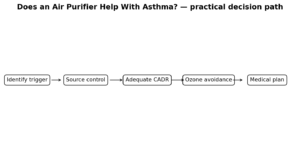
Figure 1. Original AirQualityIndex.org decision-path visual for this updated article.
Why the bedroom is often a priority
People spend many consecutive hours sleeping. A bedroom purifier can therefore be useful when airborne triggers are present, provided it is correctly sized and quiet enough to run overnight.
Pets and settled allergens
Many allergens settle on bedding, carpets and furniture. Filtration can reduce airborne material but should be combined with cleaning and source-management strategies.
Outdoor PM2.5 and smoke
During wildfire smoke or severe urban PM2.5, outdoor particles can infiltrate indoors. Check local AQI and pollutant information, manage windows/doors appropriately and run adequate filtration.
Mold and humidity
If mold is a trigger, moisture control is the priority. A purifier may capture airborne spores but cannot remediate active growth. Keep humidity controlled and address leaks.
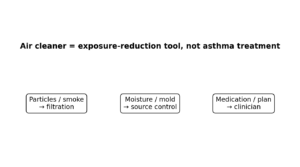
Figure 2. Original AirQualityIndex.org technical visual for this updated article.
Ozone and asthma
Avoid ozone generators in occupied spaces. Ozone can irritate the respiratory system. For electronic air-cleaning features, look for independent ozone-emissions information.
Medical boundary
Medication, diagnosis and asthma action plans belong with qualified healthcare professionals. AirQualityIndex.org should explain environmental exposure reduction, not promise treatment or prevention of attacks.
Why a PM2.5 monitor can be useful
A monitor cannot tell you whether every asthma trigger is present, but it can show whether fine-particle levels are elevated and whether filtration is reducing them. Place the monitor away from the purifier outlet so it does not simply sample freshly filtered air.
Choosing a purifier for a sensitive household
Prioritize adequate CADR, low noise at the required operating speed, affordable filters and ozone avoidance. If odors or gases are also a concern, evaluate gas-phase media separately. Avoid adding unproven features simply because they are marketed as healthier.
During high outdoor AQI
If PM2.5 is driving poor outdoor AQI, reduce avoidable exposure and use adequate indoor filtration. AQI guidance is population-level information; individuals with asthma should follow their own clinician-provided action plan when symptoms or exposures are concerning.
2026 Technical Upgrade: What Readers Should Know
For asthma, filtration should be described as exposure reduction rather than treatment. EPA notes that studies of portable HEPA air cleaners have found improvement in some allergy or asthma outcomes, but benefits are not universal and not every symptom improves. A useful plan starts by identifying triggers—such as smoke particles, pet allergens, pollen, mold, pests or combustion—and controlling those sources where possible. A correctly sized particle air cleaner can supplement those measures. Avoid ozone-generating devices: ozone is a lung irritant and may worsen asthma. People with asthma should continue following their clinician-approved management plan; an air purifier is an environmental control tool, not a substitute for medication or medical advice.
Practical decision checklist
- Identify relevant triggers
- HEPA may reduce airborne particle exposure
- Control smoke, moisture, pests and allergens
- Avoid ozone-generating air cleaners
Use the article guidance together with current outdoor AQI, the pollutant of concern, room size and the equipment manufacturer’s instructions. Source control and appropriate ventilation remain important; filtration is one part of indoor-air management.
Frequently asked questions
Can an air purifier cure asthma?
No. It can reduce exposure to some airborne triggers but does not cure asthma and should not replace prescribed treatment or a clinician-approved action plan.
Which triggers can filtration help with?
Particle filtration may reduce airborne smoke particles, pollen fragments, pet dander and some mold spores that pass through the unit. Source control remains important.
Should someone with asthma avoid ozone devices?
Yes. EPA identifies ozone as a lung irritant and advises against ozone generators in occupied spaces. Ozone can worsen respiratory symptoms.
Is a bedroom purifier useful?
It can be useful when relevant airborne triggers are present and the unit is correctly sized, maintained and operated. Keep airflow unobstructed and noise low enough for sleep.
What should I monitor?
Outdoor AQI, indoor sources, symptoms and the condition of the filter can all inform decisions. Medical symptoms should be discussed with a qualified healthcare professional.
How outdoor AQI should change your indoor-air strategy
Outdoor air quality should influence how aggressively you use indoor filtration. When outdoor PM2.5 is low and weather conditions are suitable, ventilation can be an effective part of indoor-air management. When outdoor particle pollution rises, however, opening windows can increase indoor particle concentrations. Check the current AQI and, where available, the pollutant driving it rather than treating every AQI episode as the same problem. A particle purifier is most relevant when PM2.5, smoke, dust or other airborne particles are the concern; it is not a universal solution for gases, moisture, radon or carbon monoxide. During a high-PM episode, reduce avoidable particle entry, operate an appropriately sized purifier for longer periods and use a higher fan setting when tolerable. After outdoor conditions improve, ventilation may again become useful depending on indoor sources and weather.
Where conditions are uncertain, use the more conservative clean-air setting, reassess the pollutant source, and verify that the purifier is actually moving enough filtered air for the occupied space. Small changes in placement, fan speed and source control can materially change real-world results.
Conclusion
A well-sized particle purifier can be one useful layer for reducing some airborne asthma triggers, especially PM2.5, smoke and allergens. Combine filtration with trigger identification, source control and medical guidance, and avoid products that intentionally generate ozone.
References
- U.S. EPA — Guide to Air Cleaners in the Home — https://www.epa.gov/indoor-air-quality-iaq/guide-air-cleaners-home
- U.S. EPA — Air Cleaners and Air Filters in the Home — https://www.epa.gov/indoor-air-quality-iaq/air-cleaners-and-air-filters-home
- ENERGY STAR — Air Cleaners — https://www.energystar.gov/products/air_cleaners
- U.S. EPA — Ozone Generators that are Sold as Air Cleaners — https://www.epa.gov/indoor-air-quality-iaq/ozone-generators-are-sold-air-cleaners
- U.S. EPA — Asthma Triggers: Gain Control — https://www.epa.gov/asthma/asthma-triggers-gain-control