

Updated October 2026: This article has been expanded with current technical guidance, clearer limitations, additional examples and new practical visuals while retaining its original URL and core reader flow.
Air purifiers are designed to improve indoor air quality, but people reasonably ask whether the device itself can cause problems. A conventional fan-and-filter purifier that is correctly selected, maintained and used should not make a room more polluted. The main concerns involve ozone-producing technologies, poor maintenance, inappropriate placement and unrealistic expectations.
This 2026 update keeps the original question and familiar structure but adds clearer technical context, practical decision rules and links to AirQualityIndex.org’s current AQI and PM2.5 resources.

Can air purifiers make you sick?
A properly functioning mechanical particle purifier should reduce airborne particles that pass through it. Problems are more likely to arise from ozone generation, neglected maintenance, strong drafts/noise, damaged filters or misunderstanding what the device can remove.
Safety claims should be based on the actual technology and operating condition. Avoid sensational language that implies every purifier is dangerous or every electronic feature is automatically safe.
Ozone is the clearest air-cleaner concern
EPA advises against ozone generators sold as air cleaners for occupied spaces. Ozone is a respiratory irritant. Some electronic technologies can also produce ozone as a by-product, so independent ozone-emissions information matters.
Can a HEPA filter release particles?
A correctly installed filter is intended to capture particles. Damage, poor sealing or incorrect installation can allow bypass. Do not cut, wash or modify a non-washable filter unless the manufacturer permits it.
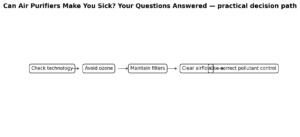
Figure 1. Original AirQualityIndex.org decision-path visual for this updated article.
What happens when filters are neglected?
Heavy loading can reduce airflow and cleaning performance. Maintain pre-filters and replace filters according to the product manual and operating conditions. Do maintenance carefully to avoid releasing accumulated dust.
Can a new purifier smell?
New plastics or filter materials can sometimes have an initial odor. Persistent strong chemical smells should not simply be masked. Follow the manual and stop use if the product appears defective or causes concerning symptoms.
Can purifier airflow cause discomfort?
A strong direct draft can feel uncomfortable, and high fan noise can disturb sleep. Better sizing and placement can allow useful CADR at a quieter setting.
Can an air purifier make a room too dry?
A standard mechanical air purifier does not remove meaningful amounts of water vapor the way a dehumidifier does. Perceived dryness may be related to seasonal heating, air conditioning or airflow rather than filtration itself.
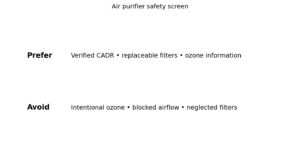
Figure 2. Original AirQualityIndex.org technical visual for this updated article.
What air purifiers cannot make safe
A purifier cannot make indoor smoking harmless, remove carbon monoxide with a HEPA filter, solve radon, repair mold damage or guarantee protection from every gas. Use source control, detectors and appropriate ventilation.
How to choose a safer purifier
Prefer transparent CADR, filter specifications, replacement information, energy data and independent ozone information. Be cautious with devices whose primary claim is intentional ozone or vague ‘active purification’ without measurable clean-air delivery.
Ionizers and electronic features
Some purifiers include ionization or other electronic cleaning features. These technologies vary, so do not assume that ‘ion’ automatically means dangerous or beneficial. Look for transparent independent ozone-emissions information and the ability to disable optional features when possible.
Can an air purifier spread bacteria or mold?
A dry, properly maintained mechanical filter is intended to capture particles rather than grow them. The bigger risk is placing equipment in a persistently damp environment or neglecting maintenance. If the purifier or filter becomes wet, follow the manufacturer’s instructions and address the moisture source.
When to stop using a purifier
Stop and investigate if you notice electrical overheating, persistent unusual chemical odor, visible damage, water intrusion or symptoms that reliably occur only when the device is operating. Safety concerns should be resolved rather than masked with fragrances or another appliance.
2026 Technical Upgrade: What Readers Should Know
A properly selected and maintained mechanical air cleaner should not normally make occupants sick, but some technologies and maintenance failures deserve caution. EPA advises against ozone generators in occupied spaces because ozone is a lung irritant, and some electronic technologies can also emit ozone as a byproduct. Dirty filters, stagnant water in combination devices, neglected prefilters and restricted airflow can create hygiene or performance problems. New odors after installation should prompt a check of packaging, filter installation and device materials rather than an assumption that the smell proves the air is cleaner. Prefer technologies with transparent performance metrics, adequate CADR and clear maintenance instructions, and be skeptical of devices making sweeping health or sterilization claims without credible evidence.
Practical decision checklist
- Ozone generators should not be used in occupied spaces
- Dirty filters reduce performance
- Poor placement can restrict airflow
- Unmaintained devices can become unhygienic
Use the article guidance together with current outdoor AQI, the pollutant of concern, room size and the equipment manufacturer’s instructions. Source control and appropriate ventilation remain important; filtration is one part of indoor-air management.
Frequently asked questions
Can HEPA itself make me sick?
A properly manufactured and maintained HEPA filter is not expected to make occupants sick. Problems are more likely to involve poor maintenance, unsuitable technologies, odors from materials or an unrelated pollutant source.
Why avoid ozone generators?
Ozone is a lung irritant. EPA states that ozone generators should not be used in occupied spaces and that safe concentrations are generally ineffective for controlling indoor pollution.
What if the purifier smells new?
Check that packaging has been removed and filters are installed correctly. Persistent or irritating odors should prompt you to stop and consult the manufacturer rather than assuming the smell is normal purification.
Can dirty filters be harmful?
Neglected filters can reduce airflow and performance. Combination units with water or humidification components need especially careful hygiene according to the manual.
Are ionizers the same as HEPA?
No. HEPA is mechanical particle filtration. Ionizers charge particles and some electronic devices can produce ozone. Evaluate each technology and its emissions separately.
How outdoor AQI should change your indoor-air strategy
Outdoor air quality should influence how aggressively you use indoor filtration. When outdoor PM2.5 is low and weather conditions are suitable, ventilation can be an effective part of indoor-air management. When outdoor particle pollution rises, however, opening windows can increase indoor particle concentrations. Check the current AQI and, where available, the pollutant driving it rather than treating every AQI episode as the same problem. A particle purifier is most relevant when PM2.5, smoke, dust or other airborne particles are the concern; it is not a universal solution for gases, moisture, radon or carbon monoxide. During a high-PM episode, reduce avoidable particle entry, operate an appropriately sized purifier for longer periods and use a higher fan setting when tolerable. After outdoor conditions improve, ventilation may again become useful depending on indoor sources and weather.
Conclusion
A well-designed, properly maintained purifier should be a tool for reducing particle exposure. Avoid intentional ozone, maintain filters, keep airflow clear and use the right technology for the pollutant. If a device causes persistent odor, irritation or unusual symptoms, stop using it and investigate the cause.
References
- U.S. EPA — Guide to Air Cleaners in the Home — https://www.epa.gov/indoor-air-quality-iaq/guide-air-cleaners-home
- U.S. EPA — Air Cleaners and Air Filters in the Home — https://www.epa.gov/indoor-air-quality-iaq/air-cleaners-and-air-filters-home
- ENERGY STAR — Air Cleaners — https://www.energystar.gov/products/air_cleaners
- U.S. EPA — Ozone Generators that are Sold as Air Cleaners — https://www.epa.gov/indoor-air-quality-iaq/ozone-generators-are-sold-air-cleaners